
MAITE Conducts Field Surveys in Thai Nguyen, Hanoi and Ba Vi

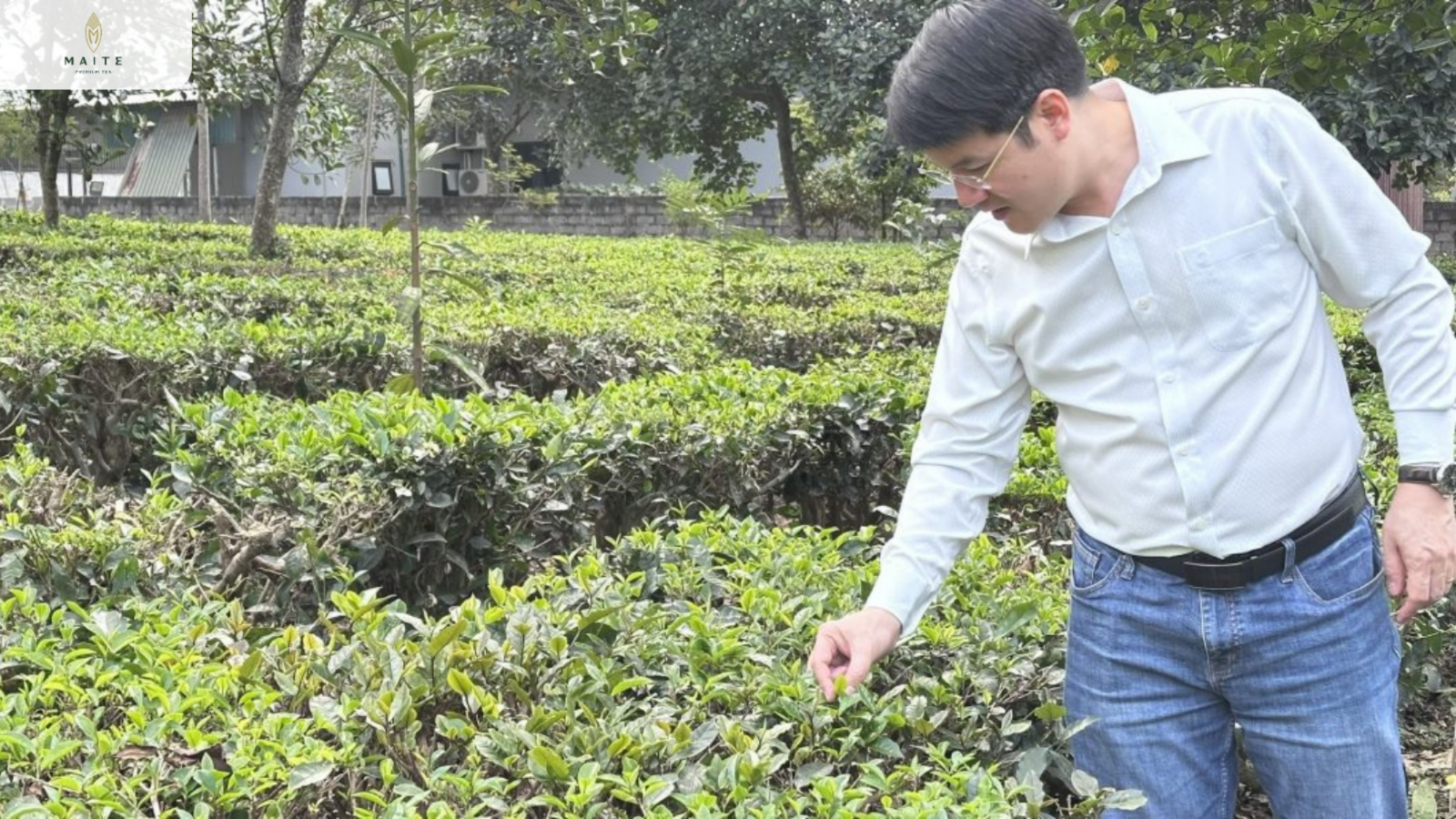
Table of Contents
MAITE has launched a series of field survey activities in Thai Nguyen, Hanoi and Ba Vi to gain a deeper understanding of tea-growing regions, cultural spaces, and traditional values associated with Vietnamese tea. Through working sessions with local authorities, artisans, experts, cooperatives, and communities, MAITE is gradually developing a more comprehensive perspective on the relationship between tea-growing regions and local cultural heritage.
These activities form part of MAITE’s broader commitment to preserving and promoting the values of Vietnamese tea, while providing a practical foundation for research and the development of tea products that are closely connected to their origins and cultural heritage.
Surveying Thai Nguyen’s Tea-Growing Regions with Local Cultural Representatives
On August 25, MAITE, in collaboration with representatives from the Department of Culture of Thai Nguyen, conducted a field survey of several representative tea-growing areas across the province.
During the program, the delegation had the opportunity to meet with local artisans and experts and gain first-hand insights into cultivation practices, the distinctive characteristics of the tea-growing regions, and the traditional cultural values that have been developed and preserved through the production and consumption of tea.
The field survey provided valuable practical insights for MAITE’s ongoing efforts to research, preserve, and promote the values of Vietnamese tea, while also contributing to greater awareness of the need to develop the tea sector in a sustainable manner.
From Hanoi’s Cultural Spaces to the Ba Vi Tea-Growing Region
On December 22–23, MAITE continued its field survey program in collaboration with UNESCO, IMEXCO Vietnam, and representatives of the Cultural Heritage Council in Hanoi and Ba Vi.
On December 22, the delegation visited several prominent cultural spaces in Hanoi, including the Old Quarter in Hoan Kiem and the Temple of Literature – Imperial Academy. Exploring these cultural sites provided a broader perspective on the cultural context that can be connected with the story and values of Vietnamese tea.
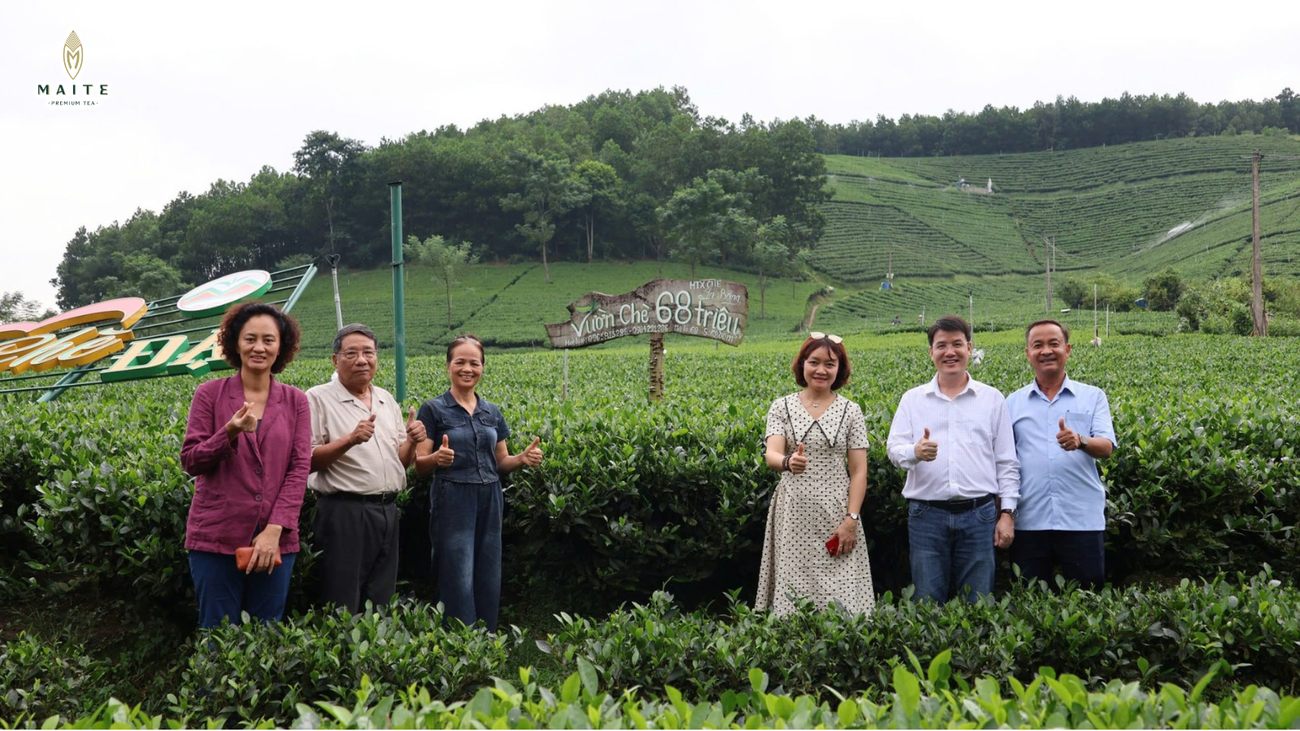
On December 23, the delegation traveled to Ba Vi, where they met with representatives of the local People’s Committee and cooperatives, while also conducting a field survey of the Phu Yen tea-growing area in Ba Vi. The information gathered during the visit serves as a practical basis for MAITE’s research into developing tea products that are more closely connected to their places of origin and the cultural values of local communities.
Connecting Tea-Growing Regions, Culture and Heritage Values
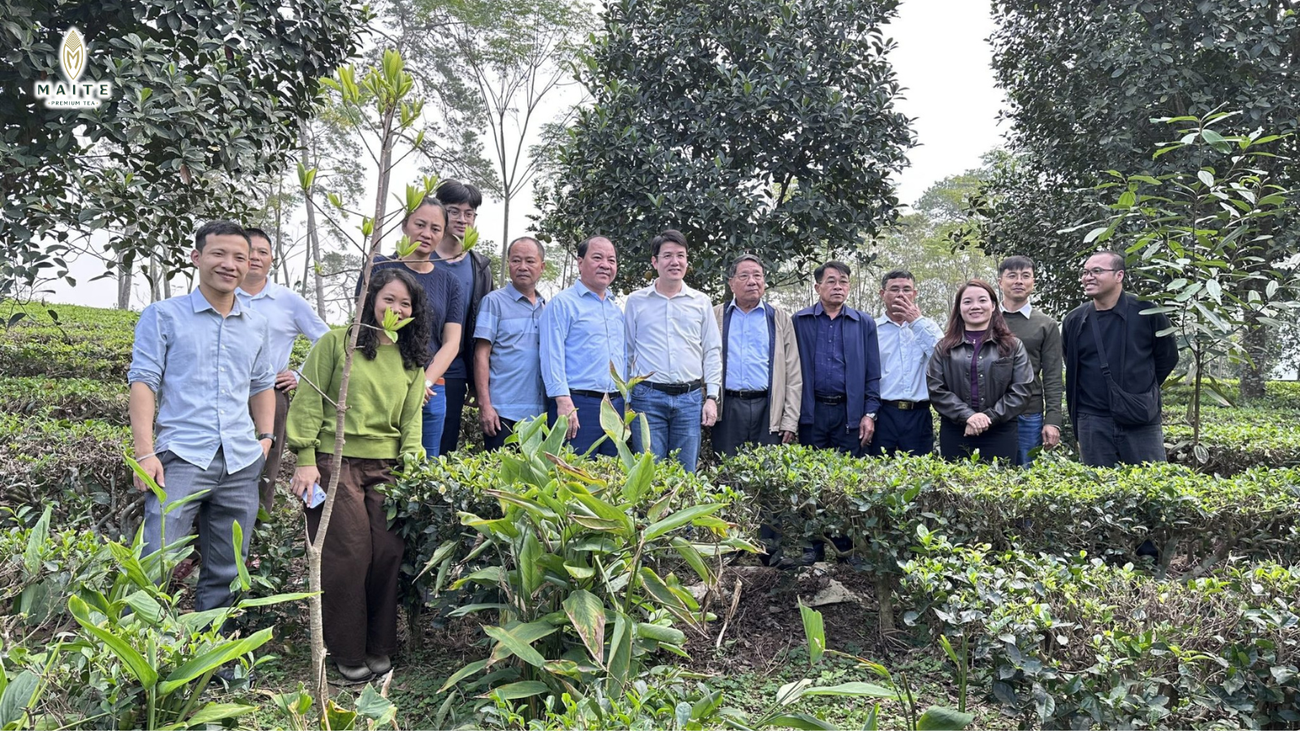
A common thread throughout MAITE’s field surveys is its approach to Vietnamese tea through three interconnected dimensions: tea-growing regions, cultural spaces, and heritage values.
Direct engagement with tea-growing areas provides a clearer understanding of the factors that shape the identity of each region from local production conditions to the knowledge, traditions, and cultural stories that have evolved around the tea plant.
At the same time, connecting with government agencies, organizations, experts, artisans, and local partners creates a stronger foundation for dialogue, research, and the development of Vietnamese tea in the contemporary context.
Laying the Foundation for Elevating Vietnamese Tea
For MAITE, field surveys are more than an exercise in gathering information about tea-growing regions. They are also an important step toward gaining a deeper understanding of the values embedded in Vietnam’s living tea culture and exploring ways to connect these values within a long-term development vision.
From Thai Nguyen to Hanoi and Ba Vi, each destination offers a distinct perspective on tea, culture, and heritage. Bringing these perspectives together helps establish a foundation for MAITE to continue researching, preserving, and promoting the values of Vietnamese tea in a sustainable manner.
The series of activities also marks another step in MAITE’s journey of working alongside tea-growing regions and local communities, with the aim of showcasing the distinctive values of Vietnamese tea and bringing Vietnam’s tea culture closer to audiences both domestically and internationally.